3LT Pro Team Member & Time-Lapse Photographer Chad Higgins has written a two-part guest blog all about Understanding the Art of Time-Lapse Photography.
PART 2
Challenges and Solutions
Patience is something you'll need or something you'll have to acquire if you're looking for a time-lapse adventure or career. Gaining experience in this field takes time, a lot of it! You can't just plonk your camera down, head back home for a cup of tea and put your feet up – you'll be trapped by your camera until you've finished shooting and some shots can take hours! These hours aren't just filled with endless scrolling on your phone either as they're often filled with checking battery levels, removing tiny rain specks on the lens, trying to keep warm and also panicking that someone may accidentally kick your tripod whilst out in the city!
Once you've gained a bit of experience though, everything becomes second nature and you find yourself becoming automated - especially important when you're short on time. You'll often find yourself in the 'Hurry up and wait' situation if you're grabbing multiple sequences in a day.

Clothing is important as nobody designs clothes to stand (or sit) still in. Luckily things have started to improve recently as you can purchase electronically heated clothing, hand warmers and so on which is great for the long nights under a star filled winter sky.
Finally, snacks and drinks. Most of my blood make up is comprised of coffee whilst out shooting so I've either a flask of that with me or a gas stove to make it on demand. Finding yourself in the middle of nowhere whilst capturing pure gold and you're wasting away isn't fun. The ambivalence of both an exciting shot and the need to find food or just the basic need of water in a sweltering climate leaves you in a sticky situation. Do you end the shot early or do you die amongst the legs of your tripod? Home comforts tend to be heavy but as I always say – if you can carry it, then take it!

Editing your sequence
There's a few options to turn your images into a video and this is a whole article in itself so I won't go into too much detail here. Personally, for a simple static time-lapse I use two programs: Adobe Lightroom and LRTimelapse.
I import my shots into Lightroom, grade and adjust a single image then sync the rest of them with the same settings as that one. I then export them as .tif images then render them as a video in LRTimelapse.
Each of those programs have lots of tutorials online but it's all about experience again but once you get the hang of it it's pretty simple.
If you don't want to fork out for those programs, there are many free ones online you can use – you may be better off shooting .jpg though – not as great an output for the final video but quicker and cheaper.

Multiple Disciplines
Time-lapse is very versatile and covers many photographic disciplines itself and although it's classed as a specialist subject, you can branch into multiple skill sets to expand your knowledge.
1. Natural History
From a simple flower opening to fully-automated motion control shots – capturing the growth of nature either in a studio or outdoors is a complex affair but very rewarding to watch back on completion.
2. Urban Exploration
Cities, with their constant motion and vibrant energy, provide a rich canvas for time-lapse exploration. Skyscrapers illuminate and darken, traffic flows like liquid, and crowds move in orchestrated unity. Urban time-lapses capture the beating heart of a city, condensing hours of activity into a few seconds of visual glory.

3. Astrophotography
In the skill of astrophotography, time-lapse techniques unlock the ability to capture the movement of celestial bodies. From the graceful rotation of the night sky to the dance of the auroras, time-lapse sequences provide a stunning visual journey through the cosmos.
4. Construction and Environmental Monitoring
In the realm of construction and environmental science, time-lapse photography serves as a valuable tool for monitoring long-term projects and changes in the landscape. From the construction of skyscrapers to the erosion of coastlines, time-lapse sequences provide invaluable insights into processes that unfold over extended periods.
5. Landscapes and Meteorological
Whether you're capturing rolling fluffy clouds, tornadoes or the best sunrise you've ever witnessed, landscapes are a great escape and for myself, a wonderful time to watch the world go by. Finding a great spot is an adventure to be had being out in the wilderness is a must for both your mental and physical health.

Pushing the Boundaries: Advanced Time-Lapse Techniques
As technology continues to evolve, so do the possibilities within time-lapse photography. Advanced techniques and tools have emerged, pushing the boundaries of what can be achieved.
1. Hyperlapse Photography
Hyperlapse photography takes time-lapse to the next level by using parallax. Usually done in straight or curved routes, you aim your camera at a specific reference point on a building for example, take a picture, take a step forwards or sideways and repeat. This creates long camera moves condensed into a few seconds. You'll need to stabilise this footage and this is made easier by shooting at focal lengths of 24mm or above. You can do this handheld but for a long period of time, I utilise one of my tripod's detachable legs. Shooting this at night or with long exposures will require a tripod.
2. Long-term time-lapse
For anything over 24hrs in length I'll place my camera into an enclosure and automate the process. I build these myself with a battery pack and solar panels – all bespoke for the environment they're going into. There's a few companies that supply this kit direct from very basic budget options to fully-connected online monitoring systems so there's lots of options available for this. For the camera settings, I shoot in aperture priority to compensate for any drastic light changes in the exposure then remove any flicker with LRTimelapse.

3. Day-to-Night Transitions or night to day (The Holy Grail Technique)
Capturing seamless day-to-night transitions presents a unique set of challenges due to the changing lighting conditions. The holy grail technique, as mentioned earlier, involves adjusting exposure settings gradually during sunrise or set to maintain exposure. Jumps in exposure can then be removed using LRTimelapse. Some modern cameras can handle this technique automatically now with varying results but as an old-timer I much prefer to stick to doing it manually. At a minimum I'll shoot for 6hrs to capture the sunset or rise and very occasionally, the madness will take over and I'll capture a full day to night to day transition!
4. Motion Control Systems
Motion control systems add another layer of sophistication to time-lapse photography by automating camera movements with precision. These systems, often motorized, enable photographers to create intricate sequences with controlled pans, tilts, track and dolly and zooms.
Conclusion
Venturing into time-lapse photography can appear daunting at first but giving yourself the opportunity to experiment will yield some great results! The important thing is to not give up – the sunset may not always look like you wished for but hang around as you never know what may happen in a few more minutes!
I've covered a few tales and techniques over on my blog if you'd like a bit more info: www.feralclock.com/blog
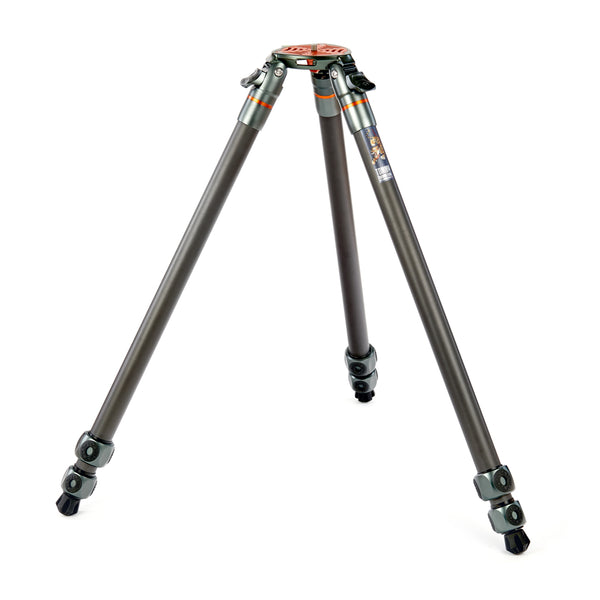
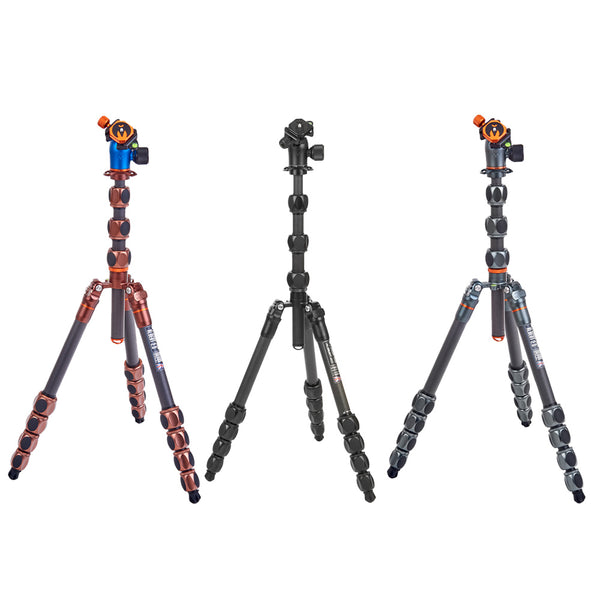
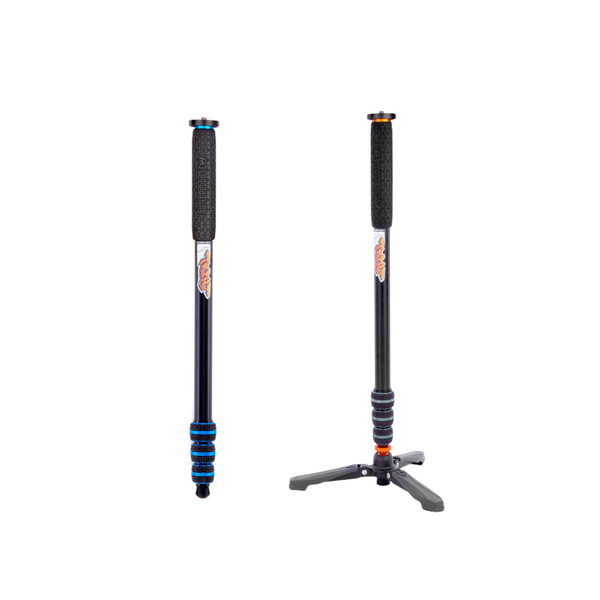
Chad Higgins uses: Tommy Tripods, Albert 2.0 Tripod, Trent 2.0 Monopods, Roxie Dedicated L-Brackets, Ellie Universal L-Bracket, AirHed Pro Tripod Heads, Ray Tripod, Valkyrie Camera Backpack, LevelHed Levlling Accessory, Lexie Universal L-Bracket, Leo 2.0 Tripod, Mike Tripod, Vanz Tripod Footwear.
Website:https://feralclock.com/
Instagram: https://www.instagram.com/theferalclock/
Facebook: https://www.facebook.com/feralclock/