Dave Williams is a photographer, tour guide and expert in photographing the Northern Lights. He shares his knowledge of photographing this amazing phenomenon in a guest blog below.
Capturing the Magic: Part 1
A Photographer's Guide to the Northern Lights
I'm Dave Williams, and I have the incredible privilege of calling the Arctic wonderland of Lofoten, Norway, my home. As an experienced aurora photographer and the author of the bestselling book, "The Complete Aurora Guide," I've dedicated my life to capturing the hypnotic dance of the Northern Lights. In this blog post, I'm thrilled to share my knowledge and passion for the Aurora Borealis, providing an insider's perspective on photographing them, forecasting their appearances, and finding those elusive clear skies. So, grab your cameras, and let's embark on this aurora adventure together!


A brief science lesson
The Northern Lights, the Aurora Borealis, have fascinated humanity for centuries. Understanding the science behind this dazzling natural phenomenon can significantly enhance your aurora photography experience.
To truly appreciate the Northern Lights, it's essential to understand the science that creates this celestial spectacle. At its core, the Aurora Borealis results from charged plasma particles from the sun colliding with gases in the Earth's upper atmosphere. These collisions release energy in the form of colourful lights, creating the stunning displays we all yearn to capture through our lenses.
While you don't need a physics degree to photograph the Northern Lights, a basic grasp of the underlying processes can help you decide when and where to shoot. Remember that the auroras' strength and colours can vary, primarily based on the type of particles involved and their energy levels. The most common colours you'll encounter are green and aquamarine, but rarer occurrences can display shades of red, yellow, white, pink, blue, and violet.

Best Times and Locations to Witness the Northern Lights
Timing and location are crucial factors when photographing the Northern Lights. Generally, the auroras are more active during winter, with outstanding shows around the equinoxes (March and September). During this time, the Earth's magnetic field aligns with the sun, increasing the likelihood of geomagnetic storms and, subsequently, more vivid auroras.
Lofoten, where I'm based, is a remarkable location for capturing the Northern Lights, as its northern latitude in the centre of the auroral oval and minimal light pollution make it one of the world's prime aurora-watching destinations. However, you don't have to be in the Arctic to witness this extraordinary phenomenon. Other northern regions, such as Iceland, Canada, and parts of Alaska, offer fantastic opportunities for aurora photography.
As we delve deeper into the art of photographing the Northern Lights, remember that it's not just about the technical aspects of your camera and equipment; it's also about the experience, the thrill of standing under the dancing lights in the dark, silent Arctic night. So, stay tuned for that info in the next section, where I'll guide you through the equipment and camera settings you'll need to capture the magic of the Northern Lights.


How to Photograph the Northern Lights
Now that you understand the basic science and have chosen your ideal time and location to capture the Northern Lights, let's dive into the practical aspects of photography. Here's what you need to know to create stunning images of the aurora borealis: -
Essential Equipment for Capturing the Aurora
- Cameras - You'll need a camera with manual settings to photograph the Northern Lights. While DSLRs and mirrorless cameras are common choices, high-quality compact cameras and newer smartphones can do the job. What matters most is your ability to control settings like exposure time and ISO.
- Lenses - A wide-angle lens with a fast aperture (f/2.8 or lower) is your best friend for Aurora photography. This lens allows more light to enter your camera, resulting in brighter, more detailed shots.
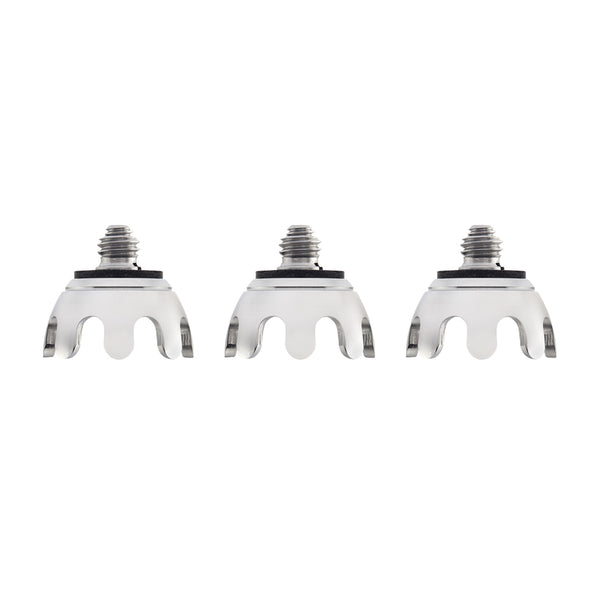
- Tripods - A stable tripod is essential for capturing long exposures. I rely on 3 Legged Thing's tripod products as they offer the stability and versatility needed for aurora photography in challenging conditions. My favourite travel tripod is Bucky, paired with the Clawz footwear to provide grip on ice and rocks and stability on snow and sand.

Camera Settings and Shooting Techniques
- Aperture, ISO, and Shutter Speed Settings - Begin with a wide aperture (e.g., f/2.8), a moderate ISO setting (usually around 800 to 1600, but adjust as needed), and a shutter speed of 10 to 30 seconds. These settings serve as a starting point but feel free to experiment to achieve the best results for your specific conditions. The more powerful the aurora becomes, the faster your shutter speed and the lower your ISO need to be.
- Manual Mode - Shooting in manual mode is crucial for complete control over your camera's settings. Auto settings may struggle in the low-light, high-contrast conditions of the auroras.
- Focusing in the Dark – This topic fuels the most headaches for first-time aurora photographers. Auto-focus may not work well in the dark, so switch to manual focus. You can focus on distant objects, such as a distant light source, the moon, or a bright star. Use the Live View mode on your camera to zoom in and fine-tune the focus manually.


Composition Tips for Northern Lights Photography
- Framing and Foreground Elements - While the Northern Lights are undoubtedly the star of the show, including interesting foreground elements can make your photos truly unique. Try including mountains, trees, bodies of water (for double the amount of sky in the reflection), or even people to add depth and context to your shots.
- Avoiding Light Pollution - Light pollution can detract from your aurora shots. Choose a location away from city lights and urban areas, and use apps and websites that map light pollution to find the darkest spots, like Dark Sky Finder. An intense aurora will overpower city lights, which are less common than a standard solar wind.
- Balancing Exposure - Experiment with exposure settings to find the right balance between capturing the auroras' vibrant colours and not overexposing the image. Review your shots and make adjustments as needed.
With these camera settings and shooting techniques in your arsenal, you're well on your way to capturing the enchanting beauty of the Northern Lights. In the next section, we'll delve into how to forecast the Northern Lights so you can plan your photography adventures with precision and maximise your chances of witnessing this celestial spectacle.

Check out Dave on Social Media for more incredible content:
Facebook / Instagram / Tiktok: @idavewilliams
Website: idavewilliams.com