Dave Williams is a photographer, tour guide and expert in photographing the Northern Lights. He shares his knowledge of photographing this amazing phenomenon in a guest blog below.
Capturing the Magic: Part 2
How to Forecast the Northern Lights
Forecasting the Northern Lights is like predicting the weather, but with a focus on solar activity and geomagnetic storms. By staying informed about the conditions that influence aurora activity, you can effectively plan your aurora-chasing adventures.
The Key Factors in Aurora Forecasting
- Solar Activity and Geomagnetic Storms - Solar activity plays a significant role in the intensity of the Northern Lights. Monitor the sun's activity, especially sunspots and solar flares. These solar events can send charged particles hurtling towards Earth, increasing the chances of an aurora display. Tools like the Space Weather Prediction Center and the Aurora Forecast can help you monitor solar activity and geomagnetic storm predictions.
- Local Weather Conditions - Clear skies are essential for Northern Lights photography, so check the local weather forecast for your chosen location. Cloud cover can ruin even the most promising aurora display.


Tools and Resources for Monitoring Aurora Forecasts
- Websites and Apps - Numerous websites and apps offer real-time aurora forecasts and predictions. Websites like the Space Weather Prediction Center (swpc.noaa.gov) and apps like My Aurora Forecast & Alerts provide up-to-date information on solar activity and predicted aurora strength. The information given in apps is a forecast based on a lot of data and is about as good as a terrestrial weather forecast – sometimes it’s correct, and sometimes it isn’t. Learning to interpret the data yourself is the best way to understand the aurora. Better still, forget the idea of knowing everything yourself and increase your chances using a local guide.
- Online Communities and Forums - Engaging with fellow aurora enthusiasts can be a valuable source of information. Joining online communities and forums where members share real-time observations and forecasts can help you make informed decisions about when and where to chase the Northern Lights.
Personal Insights from Experience
Through my years in Lofoten, I've developed a keen intuition for when the Northern Lights will likely appear. Being in a location with minimal light pollution and in tune with the local weather and solar activity can significantly enhance your forecasting skills. Remember, each aurora event is unique, and no forecast can guarantee a spectacular display, but with knowledge and practice, you can increase your chances of capturing the magic. In the next section, we'll explore the importance of finding clear skies for your Northern Lights photography. After all, even the most stunning aurora display won't make for a great photograph if you're battling with cloud cover. Please stick with me as we uncover the secrets to finding those elusive clear skies.


Finding Clear Skies for Northern Lights Photography
One of the most significant challenges in capturing the Northern Lights is ensuring you have clear, dark skies for your photography. Here are some strategies and tips for finding those perfect locations and conditions to maximise your chances of witnessing and photographing the auroras.
The Importance of Dark and Clear Skies
The Northern Lights are most captivating against a dark, star-filled backdrop. Light pollution from cities, towns, or even the moon can diminish the impact of the auroras in your photos. You'll want to find locations with minimal light pollution and clear skies to ensure the best results.

Scouting Locations with Minimal Light Pollution
- Lofoten's Prime Spots - Living in Lofoten, I'm fortunate to have access to some of the darkest and most picturesque locations for aurora photography. Popular spots like Uttakleiv Beach, Haukland Beach, and the iconic Reine offer stunning backdrops with minimal light pollution. Do your research and identify similar locations in your chosen area.
- General Recommendations for Finding Dark Locations - Whether you're in the Arctic or any other Northern Lights hotspot, consider these tips for scouting dark-sky locations:
- Consult light pollution maps: Websites and apps like the Dark Sky Finder and Light Pollution Map provide detailed maps of light pollution levels in different areas.
- Venture into remote areas: Travel away from urban centres and into rural or wilderness areas with minimal light pollution.
- Local knowledge: Speak to locals or connect with other photographers familiar with the area. They can provide valuable insights into prime aurora-watching spots.


Strategies for Dealing with Cloudy Weather
While clear skies are ideal, cloud cover is unfortunate when chasing the Northern Lights. Here are some strategies to increase your chances of clear skies:
- Plan for multiple nights - When scheduling your aurora photography adventure, plan for a few consecutive nights. This increases the likelihood of at least one clear night for aurora viewing.
- Check local weather updates - Monitor local weather forecasts for your chosen location and adjust your plans accordingly. Some weather apps offer hour-by-hour cloud cover predictions, which can be especially helpful.
- Flexibility and patience - Embrace the unpredictability of the Northern Lights. Sometimes, patience pays off. Even if the forecast looks grim, a sudden break in the clouds can lead to a remarkable aurora show.
Remember that clear skies are essential for capturing the Northern Lights at their best. Whether in Lofoten or another Northern Lights destination, finding the right location with minimal light pollution and monitoring the weather conditions are critical to successful aurora photography.
In the following section, we'll discuss safety and etiquette, ensuring that your aurora-chasing adventures are breathtaking, responsible, and respectful of nature and the environment.


Safety During Aurora Photography
While capturing the Northern Lights is an exhilarating experience, it's crucial to prioritise safety and show respect for the environment, fellow photographers, and the local community. Here are some essential tips to remember as you embark on your Northern Lights photography adventures.
- Dress for the Cold - Many Northern Lights displays occur during winter in the Arctic. Dress warmly in layers, and remember gloves, a hat, and insulated footwear to stay comfortable during extended periods outside. Ultimately, you aren’t reaching your full creativity if you're cold.
- Beware of Wildlife - In some Northern Lights destinations, wildlife like reindeer, moose, or even polar bears can be present. Be cautious and informed about the local fauna.
- Stay Visible - If you're shooting in a remote location or near roads, ensure you're visible to passing vehicles. Consider wearing reflective clothing or carrying a flashlight to ensure your safety.
- Buddy System - It's wise to photograph the Northern Lights with a friend or fellow photographer, especially in remote locations. If you don’t have someone to go with, let someone know where you’re going and how long you’ll be.

Dave's Top Aurora Photography Experiences
Over the years, I've had the honour of witnessing countless stunning Northern Lights displays. These moments are etched in my memory, and each one is a testament to the sheer wonder of nature. Here are a few of my most cherished Northern Lights photography experiences:
The Lofoten Archipelago, Norway - Living in Lofoten, I've had the privilege of photographing the Northern Lights against the backdrop of rugged mountains, crystal-clear fjords, and picturesque fishing villages. It's an unparalleled experience that I continue to treasure.
Iceland's Diamond Beach - The juxtaposition of the ethereal Northern Lights against the black sands and glistening icebergs of Diamond Beach in Iceland is a sight to behold. It's an otherworldly landscape that every photographer should aspire to capture.
Sweden's Abisko National Park - Abisko is renowned for its clear skies and consistent Northern Lights displays. It's a destination that offers an almost guaranteed opportunity to capture the auroras at their best.
Each of these experiences has deepened my appreciation for the Northern Lights, reminding me that the world is full of awe-inspiring moments waiting to be captured. As you embark on your aurora-chasing adventures, remember that each display is unique and brings a sense of wonder.
The Northern Lights are a testament to the beauty and majesty of our natural world. As a photographer, capturing the Aurora Borealis can be a life-changing experience. With the right equipment, camera settings, forecasting tools, and a commitment to safety and environmental responsibility, you can create stunning images that showcase the magic of the Northern Lights.


Whether in the Arctic Circle, Iceland, Alaska, or any other Northern Lights destination, I hope this guide has given you the knowledge and inspiration to embark on your aurora photography journey. Remember to respect the environment, the local communities, and the captivating beauty of the Northern Lights. So, go out there, chase the auroras, and create visual stories of the mesmerising Northern Lights.
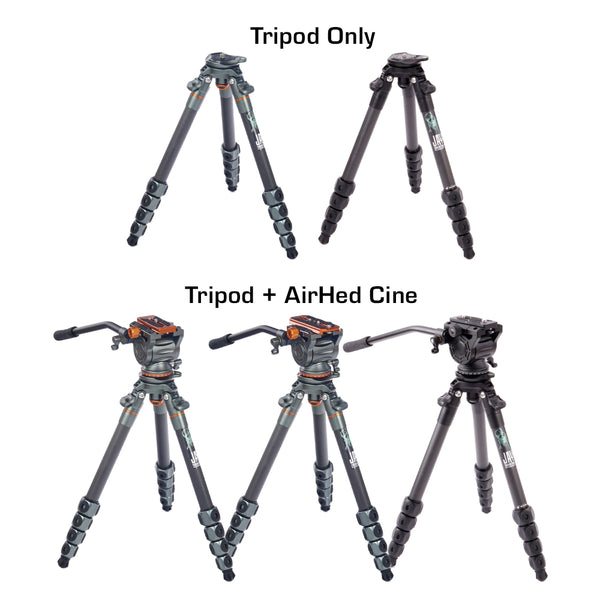
Thank you for joining me on this journey, and a special thanks to 3 Legged Thing for their exceptional tripod products that make capturing the magic of the Northern Lights all the more achievable. Now it's your turn! And, if you need a reliable tripod to help capture the perfect Northern Lights shot, don't forget to check out 3 Legged Thing. These versatile and stable tripods are the ideal companions for your aurora-chasing escapades.
One last thing: as we approach solar maximum, the time during the sun’s 11-year activity cycle with the most sunspots releasing the most solar energy, the aurora will be stronger through 2025 and into 2026. I’m sure you’ll have seen reports of aurora in unusually low latitudes, which is why. If Aurora chasing is on your bucket list, there’s no time like the present! I wish you clear skies, dazzling displays, and unforgettable aurora adventures. Happy shooting, and remember to once in a lifetime, as often as you can.

Check out Dave on Social Media for more incredible content:
Facebook / Instagram / Tiktok: @idavewilliams
Website: idavewilliams.com