A guest blog from 3LT Pro Team member, photojournalist and commercial photographer Paul John Bayfield all about his experience when he travels to the Congo.
The plane is shaking. It usually does, but this time it's bad. Rainy season is approaching,and the little Cessna Caravan is rattling loudly as the hot, humid air rises from the jungle. We are carrying a lot of gear; the batteries alone weigh 100 kilos or more. As we tried to get airborne from Kinshasa the stall alarm was screaming as the nose bounced up and down on the runway. Pockets of dead air cause the little bush plane to drop like a stone and, although we've secured the gear, it crashes loudly as it hits the floor again.
We catch each other's eyes, and the laughter begins. We are back in The Congo, and everything is already trying to kill us.


How do you get to be a documentary or wildlife photographer? I get asked this question often. I'll get to that later. The idea of travelling to exotic locations and witnessing amazing things - sometimes for the very first time - sounds like the dream, but shivering violently in a tent, as malarial fever creeps through my body, mostly has me asking myself 'what the hell am I doing here?'
It's not bravado that brings people to the middle of nowhere without hope of rescue. As a small team, we all rely on each other's patience and care. At one point or another, we have all had to abandon embarrassment and allow a field mate to dress our wounds, extract leaches and larvae, or simply rub our back while we vomit (or the other thing) our precious insides to the outsides. It can be a scary existence, and sometimes you just want your mum.


There's often no power in the field but for a bit of solar. If the forest is gracious enough, to allow the sun through the canopy to kiss our panels, we get a few hours at best.
This means no refrigeration, which means no anti-venom and none of the less exotic medications or anti-biotics, like penicillin. We are a bite away from invoking a clause in the contract that says; if we run into a snake and are complacent enough to get tagged, we may use the credit on the satellite phone to call those back home and say goodbye.

Many unknown viruses live in the forest. They were here before us and know how to kill us. At breakfast, one of the field researchers falls like a rag-doll to the floor and has a seizure. We all plunge into triage mode and over the next four days she barely has colour in her skin. It's< a 35 kilometre walk to the nearest village. From there, it's two bush flights to seek medical intervention. Even if a helicopter could get out this far,they'd never get us through the canopy. We may as well be up Everest. That may actually be easier. This is the reality of operating in remote places. I love it.


If it sounds tough on the body, it's even harder on the gear. Cheap stuff ain't good and good stuff ain't cheap. The research and development that goes into gear means I don't need to worry about an expensive camera body (and even more expensive lens) that just plunged in to two feet of swamp mud. I wonder what Rob at Nikon would say if he saw what I just did to this year's flagship model? I put it to the back of my mind as I wash the mud off in the river.
This morning I'm trying to find Hippo in the Congo basin. We have found a slide on the riverbank and I'm wading through water to set a submerged tripod to mount a camera trap. After what feels like hours of testing the frame, we wade back out and set off back down the river. When I return the next day, the first few frames reveal the unmistakable skin scales of a Nile crocodile. I'm suddenly aware I have to wade all the way out again.


The gear is honestly tools for the toolbox, albeit very carefully chosen tools. We need to be sure we can rely on equipment that can stand up to the brutal nature of a place where everything rots, is eaten, or used as a home. The humidity alone has some equipment reduced to nothing more than dead weight. I use Nikon equipment. It's hard to drown for a start. Impact doesn't seem to phase it too much, and it's taken a lot more punishment than some other brands I've taken into the field. I can take it apart with a decent micro driver set and make any repairs that need to be made. I still have a D4 with a mounting ring I've hammered back in to shape with a rock, and it hasn't missed a beat since.


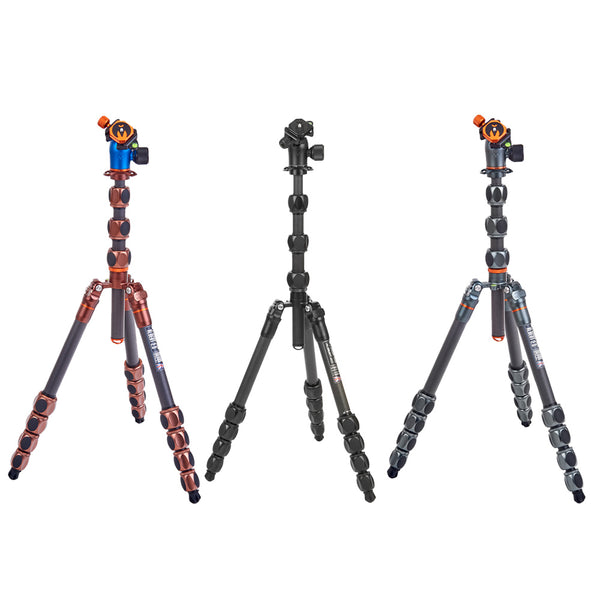
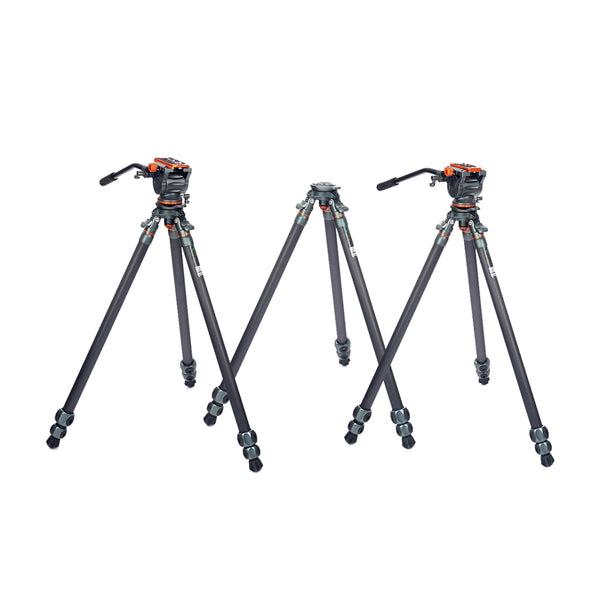
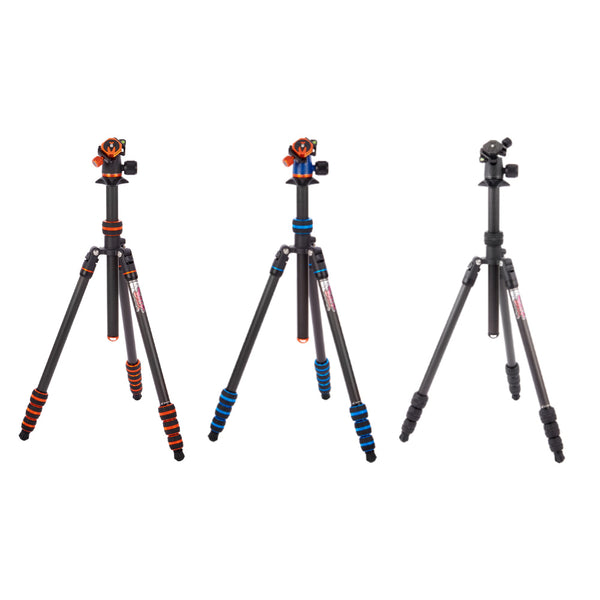
Grip gear is essential for traps, and I can never carry enough tripods. I have a few friends called Billy, who I routinely abandon in swamps and rivers in the jungle. They are there as I type this. Incredibly lightweight, which is exceptionally important when having to carry all your tools in on foot. I can also remove Billy's legs and use them as hiking sticks through the bush when I need. Billy is a tripod, in case you hadn't guessed, and can carry heavier loads than I can for year-long assignments.
The rest is a lot of high end specialist camera gear by Cognisys that's all housed in Pelican cases. They speak to their flashes wirelessly and rarely fall out with each other, but the insects will still find their way in and short out the circuits. Most insects are conductive, as it turns out.


We re-engineer the triggers and flashes with cigarette filters and duct-tape occasionally. Using one lighter with no gas to light another lighter with no flint in order to melt solder to perform rewiring is also another example of adapting in the field. I have a collection of small finger scars that make me laugh. Also, capacitors can give out one hell of a shock when transplanting in the rain. Watch out for those!


It's probably best to wear a second head-torch on the back of your head if you're moving through the jungle at night. That might stop the leopard creeping up on you". This was our solution to discovering video footage of a large male creeping after us on a few of the trail cameras. If it's not one thing, it's another out here. Poachers have also been spotted on cams and these guys can be ruthless. They'd just killed a member of the ICCN rangers to the east, so we thought calling in a patrol as a show of power may be a prudent idea. It's easy to feel safe in the forest. It's all around you. The cacophony of sounds is hypnotic and soporific, especially at night. Comforting. Others have found it claustrophobic and have suffered slightly psychotic turns and had to leave after a few months.
The storms come like clockwork, as does the darkness. At 17:36 sharp, the light drops away like houselights before the start of a play. Then come the rumbling and flashes. This gets violent during the rainy season and as the canopy moves, the branches fall. A researcher is crying as she limps out of the darkness back to camp; another casualty of falling branches. She says she crawled for a couple of kilometres, barely able to breathe. She most likely has fractured ribs. Five hours it took for her to get back in the night through the forest. These researchers are incredibly tough individuals. Within the time it takes to enjoy a cup of tea, she's recomposed and off to the shower. This is a bucket of water from the river and a plastic mug to scoop up at your body with. Often, you'll be sharing this with an animal of some sort. The giant snails seem to enjoy sharing with me.


Around three in the morning, there's a huge crashing sound. A tree has fallen on the hut I share with one of the researchers, and by sheer luck, one of its lower branches is supporting the weight as it lingers just above our tents. We haven't even got to breakfast. It'll be very welcome after the night we've had, if we can get to it before the bees.
Long-term field projects are a photographer's holy grail, or at least they are, in my opinion. Although most all images are still under embargo, I hope the brief excerpt of thoughts and pictures give a little taste of my experience in the field. I look forward to returning fairly soon.. Apart from the jungle itself, it's the people I miss most. The small village and the community to the south have become very close. They observe ways of living that we have long since forgotten and at a pace I appreciate. I hope to share more on completion of the project, which may stretch further along than anticipated, as it develops (no pun intended).

Before I forget, the answer is hard work, if you're still wondering. Really, really hard work and lots of determination. That's how you get to do documentary and wildlife work. Most of the top tier camera ops are zoologists, tropical botanists, herpetologists and photographers after the fact. For the rest of us, we learn as we go. The common factor is a long journey of that hard work and an uncertain wage packet - for sometimes lengthy periods. I only now have a foot in the door and I'm aware it's a long road ahead. As I watch the bonobos grooming each other in front of me, I still pinch myself that I'm here. We work very hard to be this lucky.